Higher THC doesn’t automatically mean a better experience, and our hands-on evaluation of products across the potency spectrum revealed that choosing the right concentration depends far more on your tolerance and goals than the number on the package. After testing flower ranging from 15% to 30% THC, concentrates pushing 80-90%, and edibles from 2.5mg to 50mg doses, we found that many consumers overshoot their ideal potency, chasing inflated percentages while sacrificing the balanced effects and lower anxiety profiles that moderate options deliver.
The Canadian market now offers THC concentrations that would have seemed impossible a decade ago. Brands like Aurora Cannabis, Canopy Growth, and Organigram routinely stock flower at 20-25% THC, while concentrates and specialty products from companies like Tilray and Hexo push boundaries with formulations exceeding 80%. This abundance creates both opportunity and confusion, especially when marketing emphasizes maximum potency as the gold standard.
We designed this comparison to cut through the hype and answer the practical questions that matter: What does each potency level actually feel like? How do different concentrations compare for effectiveness, onset time, and side effects? Which myths about “stronger is better” are steering you wrong? And most importantly, which potency tier matches your experience level and intended use? Whether you’re a newcomer navigating your first purchase or a seasoned consumer reconsidering your routine, understanding potency beyond the THC percentage will transform how you evaluate and enjoy cannabis products.
High-Potency Cannabis Products at a Glance
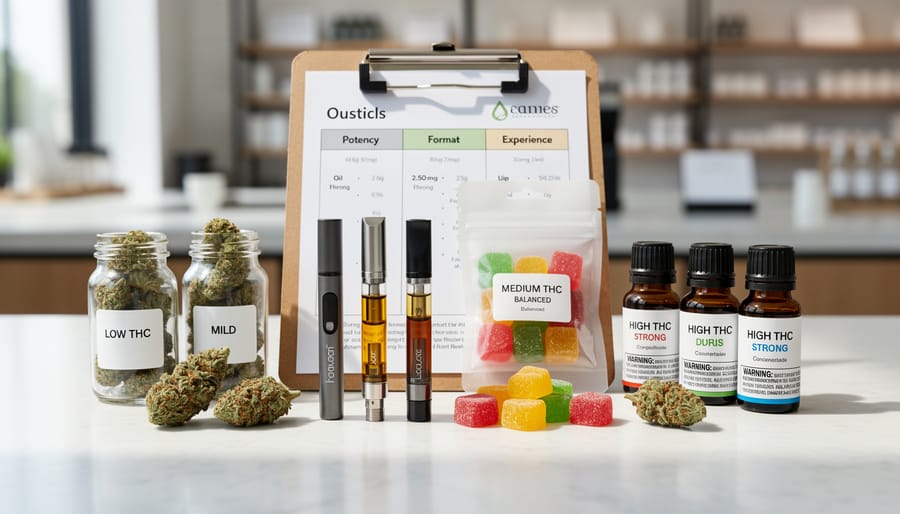
Before diving into detailed comparisons, it helps to see how high-potency and regular cannabis products stack up across the dimensions that actually matter to your experience. This quick-reference overview gives you the framework to evaluate products beyond the THC percentage on the label.
The key distinction between high-potency and regular products isn’t just about strength, it’s about matching the right tool to your needs, experience, and goals. High-potency products, with THC concentrations typically ranging from 20% to 25% for flower and even higher for concentrates, deliver intense effects quickly but demand more careful dosing. Regular-potency products, usually sitting between 10% and 18% THC for flower, offer gentler experiences with easier control, making them ideal for daily use or for those building familiarity with cannabis.
| Product Type | THC Range | Best For | Typical Format |
|---|---|---|---|
| High-Potency Flower | 20-25%+ | Experienced users, specific therapeutic needs | Dried flower, pre-rolls |
| Regular-Potency Flower | 10-18% | New users, daily consumption, balanced effects | Dried flower, pre-rolls |
| High-Dose Edibles | 10mg+ per serving | Established tolerance, long-lasting relief | Gummies, chocolates, beverages |
| Microdose Edibles | 2.5-5mg per serving | Beginners, functional use, precise control | Gummies, mints, beverages |
| Concentrates | 70%+ THC | Advanced users, immediate strong effects | Oils, shatter, vapes |
Onset time and duration vary more by product format than by potency. Vapes and flower deliver effects within minutes regardless of strength, while edibles take 30 to 90 minutes to kick in whether they contain 2.5mg or 10mg of THC. The difference lies in intensity, not timing. Brands like Aurora Cannabis offer diverse strain options across the potency spectrum, while Organigram focuses on consistent quality in moderate ranges, giving you reliable choices in both categories depending on where you are in your cannabis journey.
What Each Product Category Offers
High-Potency Products Explained
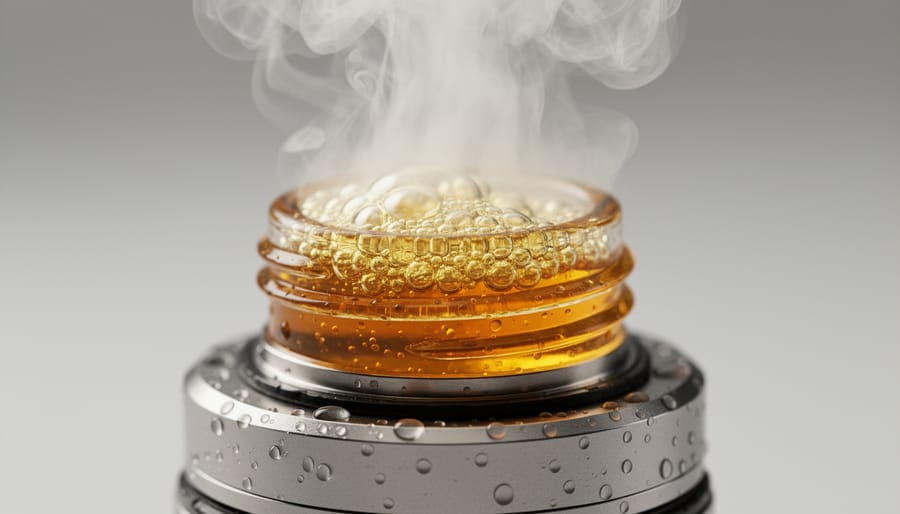
High-potency cannabis products deliver concentrated levels of THC well above what you’ll find in traditional offerings. For flower, we’re talking about strains testing at 20-25% THC or higher, sometimes pushing into the high twenties. Concentrates take this much further, with products routinely exceeding 70% THC and some reaching the low-to-mid eighties. Edibles in this category typically start around 10mg per serving and can go considerably higher, though Canadian regulations cap individual packages.
What makes these products high-potency comes down to cultivation and extraction techniques. For flower, growers select genetics bred for elevated cannabinoid production and optimize growing conditions, controlled lighting, precise nutrients, careful timing of harvest, to maximize THC concentration. Aurora Cannabis’s strain selection demonstrates this approach, with varieties specifically developed for higher cannabinoid profiles.
Concentrates achieve their strength through extraction processes that isolate and concentrate cannabinoids from plant material. These methods strip away most plant matter, leaving behind a product that’s primarily THC and other cannabinoids. Canopy Growth’s concentrate offerings show how modern extraction technology produces clean, potent products across formats like shatter, wax, and distillate.
The jump from regular to high-potency isn’t just incremental. A 12% THC flower versus a 24% option means you’re getting roughly double the active compound per gram. With concentrates, you’re looking at three to four times the potency of strong flower. This concentration affects everything from dosing to effects to how quickly tolerance can build.
Regular-Potency Products Explained
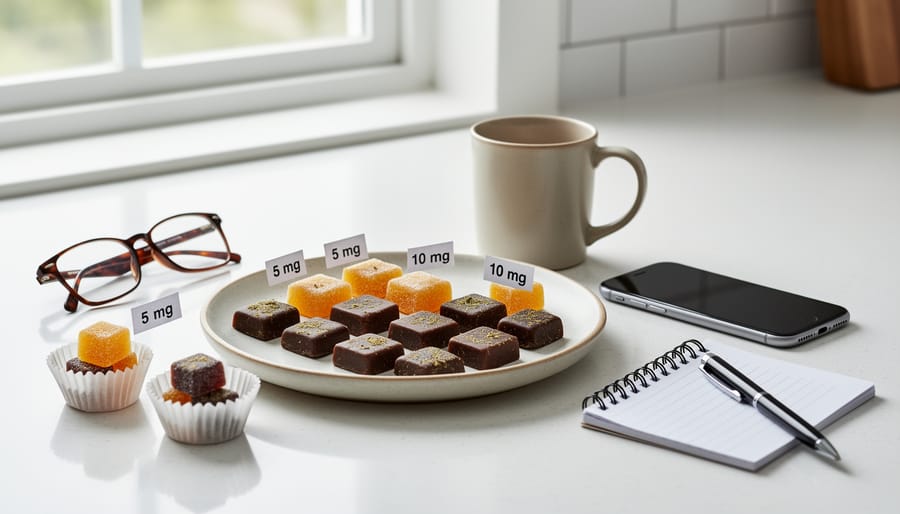
Regular-potency cannabis products serve as the foundation of the market, offering accessible, controlled experiences that appeal to a broad spectrum of users. These products typically contain 10-18% THC in flower form, while edibles range from 2.5-10mg per serving. We’ve found that this moderate range provides sufficient effects for most purposes without the intensity that can overwhelm newer users or those seeking balanced experiences.
The enduring popularity of regular-potency products stems from practical advantages. They allow for easier dosing control, reduced risk of overconsumption, and more gradual tolerance development. Many experienced users actually prefer this category for daytime use or social situations where maintaining clarity matters. The lower potency doesn’t mean lower quality, terpene profiles, cultivation methods, and product consistency determine the overall experience as much as THC percentage.
Organigram exemplifies quality in this category with its high-quality indoor-grown cannabis, maintaining consistent potency and flavor profiles that demonstrate how careful cultivation elevates moderate-THC flower. Tilray offers diverse options across its edibles and beverages line, providing precise dosing in formats that suit different preferences and lifestyles. These brands prove that sophisticated cannabis products don’t require extreme potency numbers.
For daily users, medical patients managing symptoms throughout the day, and anyone prioritizing functional effects over maximum intensity, regular-potency products deliver reliable results. The 5mg edible remains the most popular dose in Canada precisely because it works, providing noticeable effects while preserving the ability to adjust upward if needed, rather than starting too strong and facing hours of discomfort.
Potency Compared Across Key Dimensions
Effectiveness and Desired Effects
THC percentage tells you how much cannabinoid is present, but it doesn’t predict your experience as reliably as you might think. We’ve found that a 15% THC flower can deliver better pain relief than a 25% option when the terpene profile and your individual physiology align. The entourage effect, how cannabinoids, terpenes, and other compounds work together, often matters more than raw potency.
For pain management, moderate-potency products with balanced cannabinoid profiles frequently outperform high-THC options because they provide therapeutic benefits without the cognitive impairment that can interfere with daily activities. Sleep support similarly doesn’t require maximum THC; many users report better rest with 10-15mg edibles than 50mg doses, which can leave them groggy the next morning.
Your metabolism, tolerance, and consumption method shape outcomes more than the label number. Someone with fast metabolism might need higher doses to feel effects, while another person finds 5mg plenty. A 20% THC vape hits immediately and peaks fast, while a 20% THC edible converts to 11-hydroxy-THC in your liver, creating a stronger, longer-lasting effect from the same percentage.
Recreational users chasing intensity might assume higher is better, but overconsumption leads to anxiety and discomfort rather than enjoyment. Starting with regular-potency products lets you find your effective dose without overshooting it, a more controlled, predictable experience than guessing with concentrates.
Safety, Control, and User Experience
High-potency products aren’t inherently dangerous, but they demand more careful handling than their regular counterparts. We’ve found that dosing precision varies dramatically by format: concentrates and vapes offer immediate feedback, letting users adjust in real time, while edibles’ delayed onset creates a trickier dynamic. The 30-90 minute lag between consumption and effects leads to the most common pitfall we see, users doubting their initial dose and consuming more before the first serving takes hold, which can result in an uncomfortably intense experience hours later.
Regular-potency products provide wider safety margins. A 2.5mg edible gives you room to gauge effects and redose if needed, whereas a 20mg dose leaves little room for error if your tolerance is lower than expected. That said, high-potency options aren’t the villain they’re sometimes painted as. Experienced users often find them more economical and easier to titrate when they understand their personal threshold. The key difference isn’t danger, it’s the margin for miscalculation. Flower in the 20-25% THC range from growers like Aurora Cannabis or Organigram offers faster feedback loops than edibles, making it easier to stop before overconsumption occurs. Control comes from matching format and potency to your experience level, not avoiding higher percentages altogether.
Cost and Value Considerations
Understanding the true cost of cannabis products requires looking beyond the price tag to calculate actual value per use. A high-potency concentrate priced at twice the cost of regular flower may deliver three times as many effective doses, making it more economical for experienced users with established tolerances. We’ve found that calculating cost-per-milligram of THC reveals surprising value differences that shelf prices obscure.
For daily users requiring higher doses, concentrates from producers like Canopy Growth often provide better long-term value despite steeper upfront costs. Someone needing 25mg THC per session spends less buying a high-potency product than repeatedly purchasing lower-potency options. Conversely, occasional users and those microdosing with 2.5-5mg find regular-potency edibles and flower from brands like Tilray more cost-effective since high-potency products would last longer than their shelf life.
Price alone doesn’t indicate quality. Premium doesn’t automatically mean potent, and potent doesn’t guarantee superior cultivation or extraction. Organigram’s indoor-grown flower at moderate THC levels often delivers better flavor profiles and terpene richness than generic high-THC products commanding higher prices. The smartest value calculation weighs your actual consumption pattern against milligrams delivered, not marketing promises or impressive percentages.
Onset Time and Duration
When we tested high-potency products across different formats, timing and duration depended far more on delivery method than THC concentration. Vapes delivered effects within seconds regardless of whether the concentrate was 70% or 85% THC, making them ideal for precise, fast relief. Flower, whether at 15% or 25% THC, produced noticeable effects within 5 to 15 minutes through inhalation. Edibles behaved differently: a 10mg gummy took just as long to kick in (typically 30 to 90 minutes) as a 2.5mg dose, though the intensity and duration naturally varied with potency. High-dose edibles from brands like Tilray extended effects for 6 to 8 hours, while lower doses tapered sooner.
Concentrates from producers like Canopy Growth offered immediate onset through vaping but longer-lasting effects than flower at similar consumption speeds. The format you choose controls when relief arrives and how long it lasts; potency primarily determines intensity within that timeframe. If timing matters more than strength, matching your method to your schedule beats chasing higher THC numbers.
Tolerance and Long-Term Use
Regular use of high-potency products accelerates tolerance buildup, requiring higher doses over time to achieve the same effects. We’ve observed users who started with 25% THC flower needing to increase consumption frequency within weeks, while those using concentrates above 70% THC developed tolerance even faster. Tolerance breaks of one to two weeks can reset sensitivity, but many experienced users adopt rotation strategies instead, alternating between high-potency concentrates and moderate 15-18% THC flower to maintain effectiveness without complete abstinence.
Microdose edibles at 2.5-5mg THC offer another approach for managing tolerance and extending product effectiveness. Daily medical users particularly benefit from incorporating microdoses into their routine, using low-dose products during the day for symptom management while reserving higher potency for evenings. This pattern preserves the efficacy of stronger products when you genuinely need them, prevents the diminishing returns that come from constant high-THC exposure, and keeps overall consumption sustainable long-term.
Product Innovation and Variety
Innovation thrives across all potency levels, not just at the high end. We’ve found Hexo’s creative formulations span moderate-dose beverages and microdose formats alongside stronger options, while Canopy Growth’s premium concentrates emphasize terpene profiles and extraction quality over THC numbers alone. Tilray’s edible line includes everything from 2.5mg microdoses to 10mg options, each formulated for consistency and flavor. Emerging formats like fast-acting edibles, strain-specific vapes, and terpene-enhanced oils appear in both categories, proving that product sophistication comes from craftsmanship and formulation expertise rather than potency alone.
The Truth Behind Common Potency Myths
The cannabis market’s obsession with THC percentages has created a breeding ground for misconceptions that steer consumers toward products that may not actually serve their needs. We’ve seen these myths repeated so often in dispensaries and online forums that they’ve become accepted as fact, yet our testing and industry analysis reveal a more nuanced reality.
- Myth: Higher THC always means better quality
- Reality: Quality depends on cultivation practices, curing methods, terpene profiles, and overall cannabinoid balance. A 15% THC flower from Organigram’s premium indoor line can deliver a more satisfying experience than a poorly-grown 25% THC product, because terpenes and minor cannabinoids significantly influence effects and flavor.
- Myth: Potency is the only factor that matters
- Reality: Consumption method, terpene content, individual metabolism, and the entourage effect play equally important roles in determining your experience. Two products with identical THC percentages can produce vastly different effects based on these variables.
- Myth: You can’t have a good experience with low-potency products
- Reality: Regular-potency products often provide more balanced, functional effects without overwhelming intensity. Many experienced users deliberately choose moderate options for daytime use, social settings, or when they want to remain productive while managing symptoms.
- Myth: High-potency products are only for experienced users
- Reality: While beginners should start cautiously, experienced guidance and safe edible dosing practices make high-potency options accessible to anyone. Medical patients new to cannabis sometimes require stronger products for symptom relief, and proper dosing matters more than experience level.
The fixation on THC numbers also ignores how different formats deliver cannabinoids. A 70% concentrate used sparingly can last weeks and provide controlled dosing, while a 25% flower consumed liberally might deliver more total THC in a single session. We’ve observed consumers choosing products based solely on the highest percentage on the label, then discovering the effects don’t match their expectations because they overlooked strain type, terpene composition, or their own tolerance baseline.
Brands like Canopy Growth and Aurora Cannabis have begun emphasizing complete cannabinoid profiles rather than leading with THC percentages alone, recognizing that educated consumers make better purchasing decisions when they understand the full picture. The truth is that matching product characteristics to your specific goals, whether pain relief, sleep support, or recreation, requires looking beyond a single number on the package.
Weighing the Strengths and Limitations
Both high-potency and regular-potency cannabis products come with distinct advantages and trade-offs that matter when you’re choosing what to buy. We’ve tested products across the spectrum, from Aurora Cannabis’s 20-25% THC flower to lower-potency options from Organigram, and the real-world differences go beyond just the numbers on the label.
High-Potency Products: Pros
- Deliver stronger, faster relief for pain and severe symptoms when you need immediate effect.
- Offer better cost-per-dose for experienced users with established tolerance.
- Require smaller amounts per use, making concentrates from brands like Canopy Growth more portable and discreet.
- Provide precise dosing control when using measured formats like oils or vapes.
High-Potency Products: Cons
- Carry higher risk of overconsumption and uncomfortable side effects, especially for new users.
- Build tolerance more quickly with regular use, reducing long-term effectiveness.
- Can negatively affect cannabis and memory function more noticeably at higher doses.
- Offer less room for error in dosing, particularly with edibles that take 30-90 minutes to kick in.
Regular-Potency Products: Pros
- Provide gentler, more controlled experiences ideal for beginners and casual users.
- Allow easier dose titration to find your personal sweet spot without overshooting.
- Maintain effectiveness over time without rapidly building tolerance.
- Cost less upfront, making them accessible entry points from brands like Tilray and Hexo.
Regular-Potency Products: Cons
- May not deliver sufficient relief for users with high tolerance or severe symptoms.
- Require consuming larger quantities to achieve desired effects, which can be inconvenient.
- Offer less cost efficiency for daily users who need consistent dosing.
- Can feel underwhelming for experienced consumers seeking stronger recreational effects.
The effectiveness trade-off matters most: high-potency products work faster and stronger, but that intensity becomes a limitation when you overshoot your target or build tolerance too quickly. Regular products give you control and sustainability, but experienced users often find them insufficient for their needs. We’ve found that the best approach isn’t choosing one category forever, it’s understanding when each serves you better based on your current tolerance, desired effects, and how often you consume.
Who Should Choose Which: Matching Products to Your Needs
Best Choices for New Users
For those just starting their cannabis journey, we recommend beginning with products in the 10-15% THC range for flower or 2.5-5mg doses for edibles. These levels let you gauge your response without overwhelming effects. Start with a single 2.5mg edible and wait the full 90 minutes before considering more, new users often overconsume by redosing too quickly when onset feels slow.
Organigram’s high-quality indoor-grown cannabis delivers consistent potency across batches, which matters when you’re learning what works for you. For edibles, look for products clearly labeled with per-piece dosing rather than total package THC. We’ve found that regular-potency flower gives beginners room to adjust their consumption without the intensity that 20-25% THC strains bring.
The “start low, go slow” approach isn’t just a slogan, it’s how you avoid the anxiety and discomfort that sends many new users away from cannabis entirely. Build your tolerance and understanding gradually before exploring higher-potency options.
Best Choices for Experienced Users
For experienced users with established tolerance, high-potency products often deliver better value and more predictable results. If you’re consuming daily, concentrates above 70% THC and flower in the 20-25% range can be more cost-effective per dose than repeatedly using moderate-strength options that no longer produce desired effects.
High-potency concentrates suit users who’ve built tolerance through consistent use and need stronger formulations to manage specific symptoms like chronic pain or severe insomnia. We’ve found that experienced consumers appreciate the precision these products offer, a smaller amount delivers the intended effect without needing to consume large quantities of lower-potency alternatives.
Brands like Canopy Growth’s premium concentrates and Aurora Cannabis’s wide strain variety cater to this segment with quality options across multiple formats. Regular users also benefit from understanding their personal dose ceiling, which allows them to use high-potency products safely and efficiently without the trial-and-error phase that makes these unsuitable for beginners.
Best Choices for Medical Cannabis Patients
Medical cannabis patients face a fundamentally different calculation than recreational users: the goal is consistent symptom relief with minimal side effects, not maximum intensity. We’ve observed that condition severity and treatment goals should drive potency choice more than experience level alone.
For chronic pain management, many patients find success with moderate-to-high potency products in the 15-20% THC range for flower, often combined with CBD ratios like 1:1 or 2:1. A patient managing arthritis might start with 10mg edibles and adjust upward based on pain levels, while someone with severe neuropathic pain may need concentrates or oils for faster, stronger relief. The key is titrating to the minimum effective dose rather than assuming higher is better.
Sleep disorder treatment typically requires different potency approaches depending on whether the issue is falling asleep or staying asleep. Lower-potency edibles around 5-10mg taken 60-90 minutes before bed work well for sleep onset, while patients with frequent waking sometimes benefit from higher-dose options that extend duration. We’ve seen patients successfully manage insomnia with consistent 15% THC flower strains rather than jumping to concentrates.
Appetite support, particularly for chemotherapy patients or those with wasting conditions, often responds well to regular-potency products. Brands like Tilray offer edibles in manageable doses that stimulate appetite without overwhelming new medical users. The goal is sustained, predictable effects throughout the day, which moderate potency delivers more reliably than sporadic high-dose consumption.
Best Choices by Product Format
We’ve found that matching potency to product format matters more than chasing the highest THC number across all categories. Flower works best at regular potency (15-20% THC) for controlled, familiar experiences; vapes deliver faster onset and suit higher concentrations when you need quick relief or precise dosing throughout the day. For edibles, start with 2.5mg microdoses if you’re managing anxiety or experimenting with effects, brands approach this tier with consistent formulations that let you stack doses safely. Move to 10mg options once you know your tolerance and want longer-lasting effects for sleep or pain.
In our testing, concentrates justified their higher potency (70%+) only when cost-per-dose and rapid onset aligned with your routine; otherwise, premium flower from producers like Canopy Growth offered richer terpene profiles and more enjoyable sessions without tolerance spikes. Oils split the difference: moderate potency with flexible dosing, ideal for building a daily regimen. Choose your format first based on lifestyle and desired onset time, then dial potency to your experience level rather than assuming stronger always suits a given product type.
What Each Option Is
When we talk about cannabis potency, we’re essentially distinguishing between two broad categories: high-potency products and regular or moderate-potency products. Understanding what each offers helps you make informed choices rather than simply chasing the highest THC number on the label.
Regular-potency cannabis products typically contain THC levels between 10% and 18% for flower, and 2.5mg to 10mg per serving for edibles. These products deliver noticeable effects without overwhelming intensity, making them popular for social use, relaxation after work, or controlled therapeutic applications. You’ll find quality options in this range from producers like Organigram and Tilray, whose edibles and beverages provide consistent, manageable experiences. Regular-potency flower offers a balanced introduction to different strains and terpene profiles without the intensity that can mask subtle flavor differences.
High-potency cannabis products push beyond these ranges, think flower testing at 20% to 25% THC or higher, concentrates exceeding 70% THC, and edibles delivering 20mg or more per dose. These products are designed for users with established tolerance or specific needs requiring stronger effects. Aurora Cannabis and Canopy Growth offer premium high-potency flower and concentrates that experienced users turn to for efficiency and intensity. The designation isn’t just about strength; it’s about matching the product’s power to your actual needs and experience level.
Dimension-by-Dimension Comparison
When choosing between high-potency and regular cannabis products, several practical dimensions matter more than THC percentages alone. We tested products across these categories to understand how potency plays out in real use.
Format and delivery method strongly influence your experience regardless of listed THC content. Flower from producers like Aurora Cannabis and Canopy Growth delivers effects within 5-15 minutes, while edibles from Tilray take 30-90 minutes but last significantly longer. Concentrates offer immediate, intense effects, whereas oils provide precise, measured dosing. The format you choose shapes onset, duration, and control more than the potency number on the label.
Consistency and predictability vary widely. Regular-potency products tend to deliver more predictable experiences, especially for those without established tolerance. High-potency options require more careful dosing but offer efficiency for experienced users. Brands like Organigram focus on quality control that matters as much as raw potency.
Educational requirements differ between categories. Understanding high-potency products benefits from cannabis certification resources or at minimum thorough product research. Regular-potency options typically have gentler learning curves, making them more forgiving for those still calibrating their ideal dose and preferred consumption method.
Key Details to Know
Understanding high-potency cannabis products requires more than just looking at THC percentages. Here are the essential details every user should know before making a purchase decision:
- THC percentage alone doesn’t predict your experience, terpene profiles, consumption method, and your individual metabolism play equally important roles in how a product affects you.
- Product labels show total THC content, but edibles list milligrams per serving while flower shows percentage by weight, making direct comparisons difficult without converting units.
- Onset times vary dramatically by format: vapes work within minutes, flower takes 5-15 minutes, and edibles require 30-90 minutes, regardless of potency level.
- Starting with 2.5-5mg for edibles or 10-15% THC flower gives you room to adjust upward safely, while starting too high leaves no comfortable way to reduce effects mid-session.
- Licensed retailers across Canada, including those in Winnipeg, carry both high-potency options from brands like Aurora Cannabis and Canopy Growth alongside moderate-potency products from Organigram and Tilray.
- Tolerance builds faster with daily high-potency use, rotating between potency levels or taking periodic breaks maintains effectiveness without constantly increasing doses.
These practical considerations matter more in real-world use than marketing claims about strength or premium status. We’ve found that users who understand these fundamentals make better choices aligned with their actual needs rather than chasing the highest available THC number.
Common Questions About Cannabis Potency
Understanding cannabis potency can feel overwhelming when you’re faced with labels, percentages, and product categories that all seem to promise different experiences. These questions come up repeatedly among both new and experienced users trying to make informed choices about which products suit their needs.
How do I actually read THC percentages on cannabis products?
THC percentages indicate the concentration of tetrahydrocannabinol by weight in flower products, typically ranging from 10% to 25% for recreational cannabis. For edibles, you’ll see milligrams per serving (like 2.5mg or 10mg), while concentrates often show percentages above 70%. The number tells you potency, but your experience also depends on consumption method, your tolerance, and other cannabinoids present.
Does higher potency mean the product will taste worse?
No, potency and flavor are largely independent qualities. Taste comes primarily from terpenes (aromatic compounds) and cultivation quality, not THC content. You can find high-potency flower from growers like Organigram with excellent flavor profiles, just as some lower-potency products may lack taste if poorly grown or processed.
What’s the best way to avoid overconsumption with high-potency products?
Start with a low dose and wait the full onset time before consuming more, especially critical with edibles, which can take 30 to 90 minutes to take effect. For flower or concentrates, take one small inhale and wait 15 minutes to gauge the effect. Keep a consumption log noting the product, dose, and your response to build your personal reference point.
How do tolerance breaks work, and do I really need one?
A tolerance break means abstaining from cannabis for a period (typically one to four weeks) to allow your cannabinoid receptors to reset, making you more sensitive to THC again. You might benefit from one if you’re using high-potency products daily and noticing diminished effects, or if you’re consuming more to achieve the same result. Some users rotate between high and regular potency instead of taking full breaks.
When comparing potency across different product types, remember that a 20% THC flower doesn’t deliver the same experience as a 20mg edible or a concentrate at any percentage. Inhalation methods like vapes and pre-rolls deliver THC to your bloodstream within minutes, giving you immediate feedback and control. Edibles metabolize through your liver, converting THC into a more potent form that produces longer-lasting, more body-focused effects. Concentrates from brands like Canopy Growth might show 75% THC, but you consume far less material per dose than you would with flower.
The percentage or milligram amount provides a starting reference, not a complete picture. Two products with identical THC levels can feel quite different depending on their terpene profiles, the presence of other cannabinoids like CBD or CBN, and how they’re consumed. If you’re switching from oils to edibles, or from flower to concentrates, treat it as a fresh learning experience rather than assuming equivalent potency numbers mean equivalent effects.
Your individual response matters more than any number on a label. Factors like your metabolism, whether you’ve eaten recently, your stress level, and even your expectations influence how potent a product feels. This is why experienced users develop preferences for specific products and formats from brands like Aurora Cannabis or Tilray that consistently deliver the experience they’re seeking, regardless of minor THC variations between batches. Use potency information as one data point in your decision, combined with format preference, intended use, and your own tracked responses.
Choosing the right cannabis product isn’t about chasing the highest THC number on the label. It’s about matching potency to your personal tolerance, desired effects, and consumption goals. Through our testing of products from brands like Aurora Cannabis, Canopy Growth, and Tilray, we’ve seen that terpene profiles, consumption method, and overall product quality shape the experience as much as THC percentage. A 15% flower rich in myrcene can deliver better relaxation than a 25% strain with a flat terpene profile, while a carefully formulated 5mg edible often serves new users better than a high-dose product.
The real power lies in understanding how different formats work with your body and lifestyle. Whether you’re experimenting with your first 2.5mg gummy or dialing in the right concentrate for daily use, start conservatively and adjust based on actual results rather than marketing promises. Take time to learn cannabis safety fundamentals and track what works for your specific needs. Informed choices beat high numbers every time.