
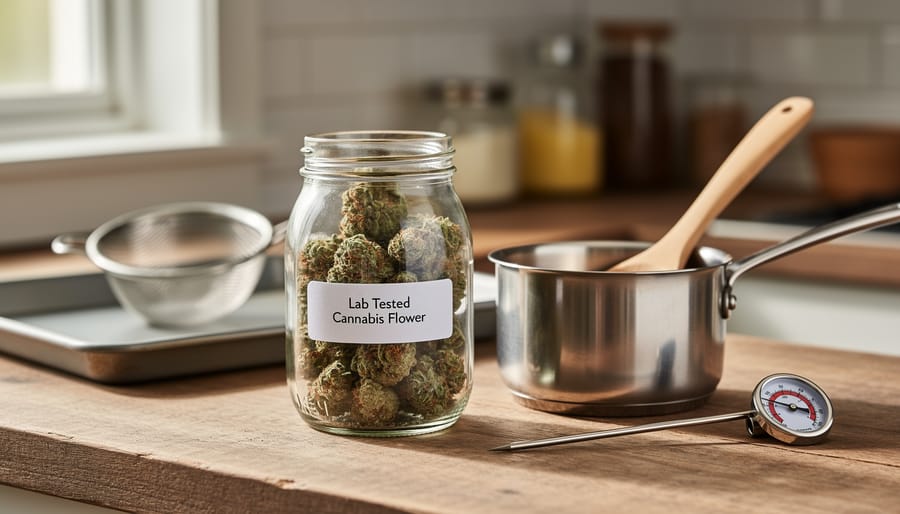
The easiest way to make cannabis edibles at home is to decarboxylate your flower in the oven, infuse it into butter or oil, and then use that infusion in…
Standards-based training, compliance education, certifications, and professional development resources for businesses, regulators, and workers in the cannabis and edibles sector.
The easiest way to make cannabis edibles at home is to decarboxylate your flower in the oven, infuse it into butter or oil, and then use that infusion in…
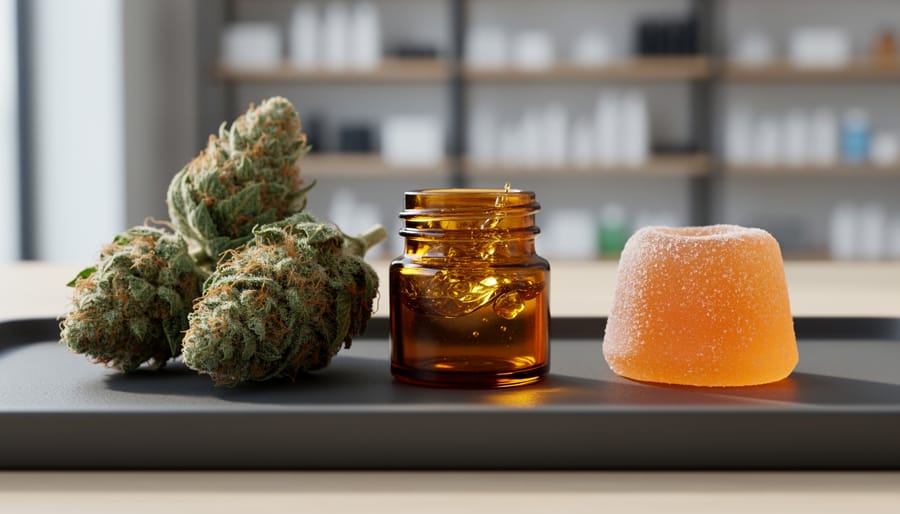
THC percentages indicate the concentration of tetrahydrocannabinol by weight in flower products, typically ranging from 10% to 25% for recreational…
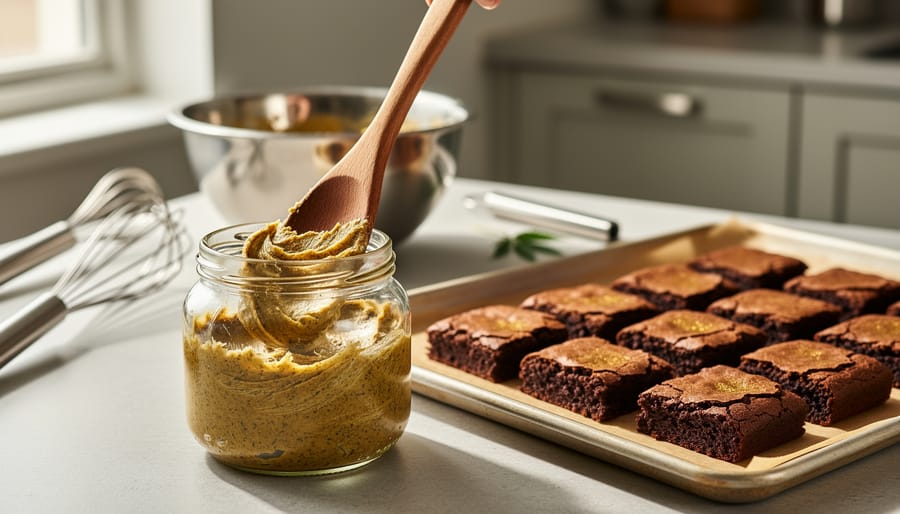
Making cannabis edibles at home involves infusing butter or oil with decarboxylated cannabis, then incorporating that infusion into baked goods, candies, or savory dishes. The process typically takes 3-4 hours from start to finish for a basic batch of cannabutter, and beginners can expect good results with careful attention to temperature control and dosing calculations.
The rise of home cannabis cooking reflects a broader shift in how people consume cannabis. Beyond avoiding the respiratory concerns of smoking, edibles offer longer-lasting effects and the satisfaction of creating customized treats tailored to personal taste and …
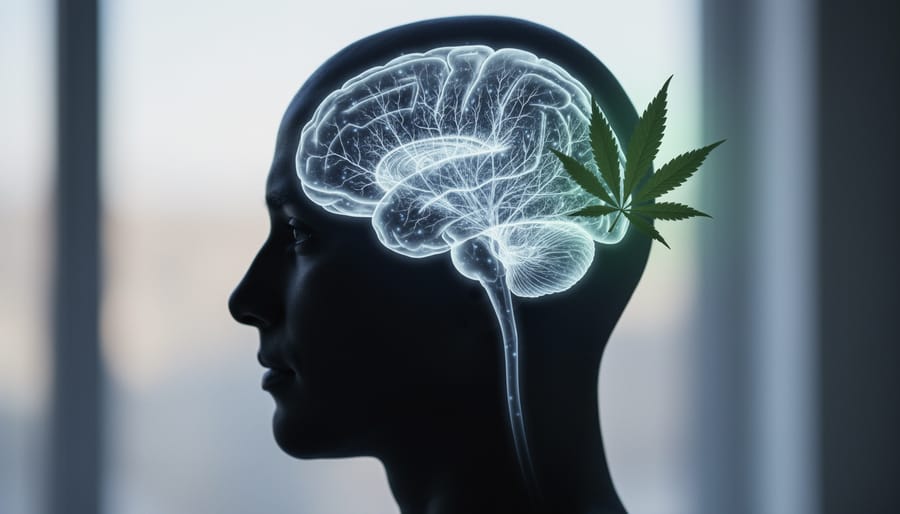
The effects of cannabis on memory refer to the alterations in how the brain encodes, stores, and retrieves information following marijuana consumption, primarily caused by THC’s interaction with cannabinoid receptors in the hippocampus and prefrontal cortex. These effects range from temporary difficulty forming new memories during intoxication to potential longer-term impacts on memory function, particularly among heavy users and adolescents.
Key Takeaway: Cannabis primarily affects short-term memory and working memory while intoxicated, with effects typically reversing after abstinence …