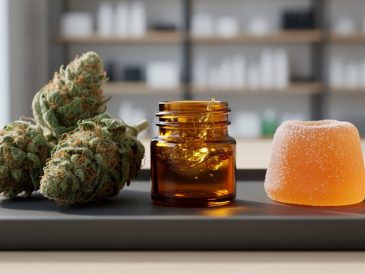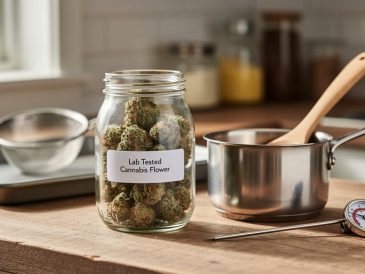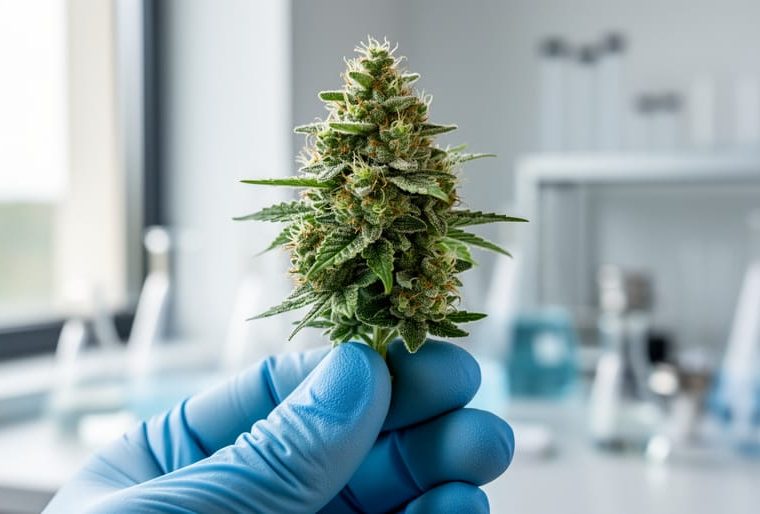
A “Z” cannabis strain is a marketing label, not a legal category. No statute, licensing board, or regulator defines “Z” as a class of cannabis, so the name carries no automatic eligibility, permit, or compliance status. What counts is what’s actually in the product: its cannabinoid content, its source, and the rules where you live or sell.
That distinction trips up a lot of people. Names like Zkittlez, Z-Cookies, or a dispensary’s house “Z” blend are branding choices, much like a winemaker naming a blend. A shopper might assume the name signals a potency tier or a regulated designation. It doesn’t. A business owner might assume a trendy name changes how a product is labeled or taxed. It doesn’t either.
What does determine the rules is the product itself and the jurisdiction around it: who can legally buy it, how it must be tested and labeled, and what obligations fall on sellers and consumers. Those rules vary widely from place to place, so this guide stays jurisdiction-neutral and focuses on the questions that apply almost everywhere.
Below, we break down what a Z strain really is, who qualifies to access it, how to stay compliant, and where to get reliable help. If you’re sorting out the broader picture, our guides on cannabis eligibility requirements, cannabis compliance basics, and cannabis product labeling rules are good companions to this one.
What a ‘Z’ Cannabis Strain Is and Why Strain Names Matter to Society
From Street Slang to Shelf Space: How Strain Names Evolved
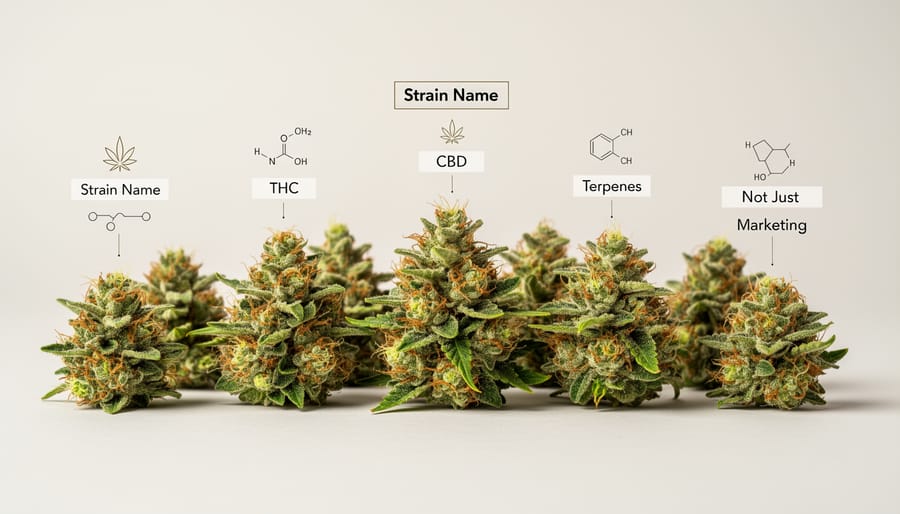
Strain names started as street slang. Before legal markets existed, growers and dealers named their cannabis after a smell, a look, or a nickname, and those names spread by word of mouth. There was no registry, no lab report, and no one to say a name was being misused. A name was a reputation passed between friends.
Licensed markets changed the stakes. Names became brands printed on packaging, and some names grew far bigger than any single grower. Zkittlez is a good example. The name took off in the mid-2010s and now shows up on flower, vape cartridges, and edibles from many different companies. Since no one owns the name in most places, two jars labeled the same way can come from different genetics and smell and test quite differently.
That inconsistency has several causes: cuttings that change hands and get relabeled, seeds sold under the same name by different breeders, and growing conditions that shift a plant’s chemistry. The takeaway is simple. Treat a strain name as a starting hint, not a promise.
Why Labels Beat Names: What Consumers Should Actually Read
Two jars both labeled “Zkittlez” can behave very differently, because the name is just a marketing label. It doesn’t tell you how potent the product is or how it will make you feel. The label does, so that’s where you should look.
Start with the cannabinoid percentages. THC and CBD figures show potency far better than any strain name. Next, check the terpene profile, since these aromatic compounds help shape flavor and may influence the overall experience. Then find the batch or lot number, which ties the product to a specific harvest and makes recalls possible.
Finally, look for lab testing information. A compliant product should reference third-party results, often through a scannable code, covering potency and contaminant screens. If a product lists a catchy name but no test data, treat that as a red flag. A strain name might hint at lineage, but only the numbers show what’s actually in the package.
Who Can Grow, Sell, or Buy It: Eligibility Requirements Explained
Social Equity Programs and the Push for Fairer Access
Social equity programs exist because cannabis prohibition did not fall evenly across communities. Enforcement was concentrated in certain neighborhoods, so when licensed markets opened, many lawmakers wanted a way to widen access for people who bore the brunt of those policies. The usual goals are broader ownership, local job creation, and a more representative industry.
Most programs follow a similar structure. Applicants typically qualify through factors such as living in a designated area, having a past cannabis-related conviction, or having a family member who did. Qualifying applicants may get benefits like reduced license fees, priority review, technical assistance, or access to loans and shared facilities. Some programs also connect applicants with mentors or incubator spaces to help with cultivation, compliance, and testing, the same requirements that decide whether a strain can legally reach a shelf.
Applicants have reported real hurdles, though. Startup costs for real estate, equipment, and lab testing remain high, and local zoning limits can make it hard to find an approved location. Some also describe slow application timelines and difficulty securing capital even after being approved. Communities and officials disagree on how well individual programs work, so it helps to read each program’s published rules and results directly from the regulator.
How to Apply and Stay Compliant: A Step-by-Step Process
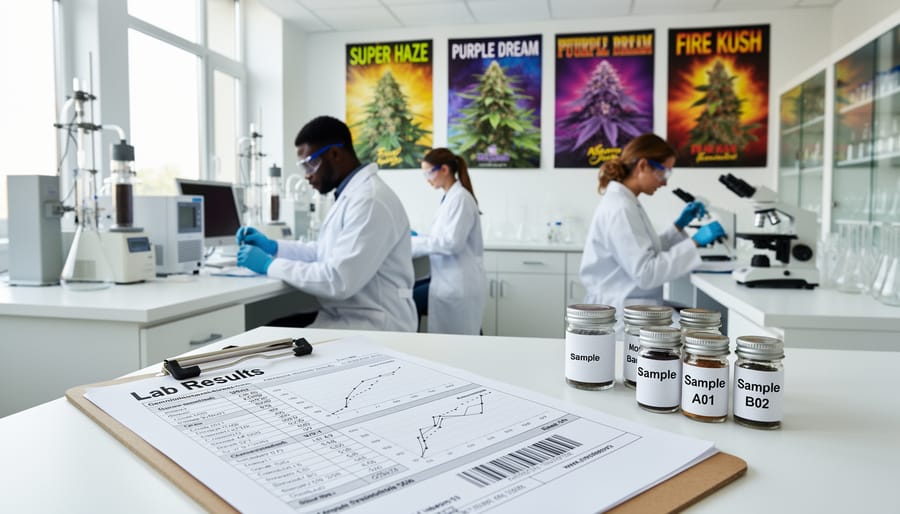
Testing and Labeling: What Must Appear on a Compliant Product
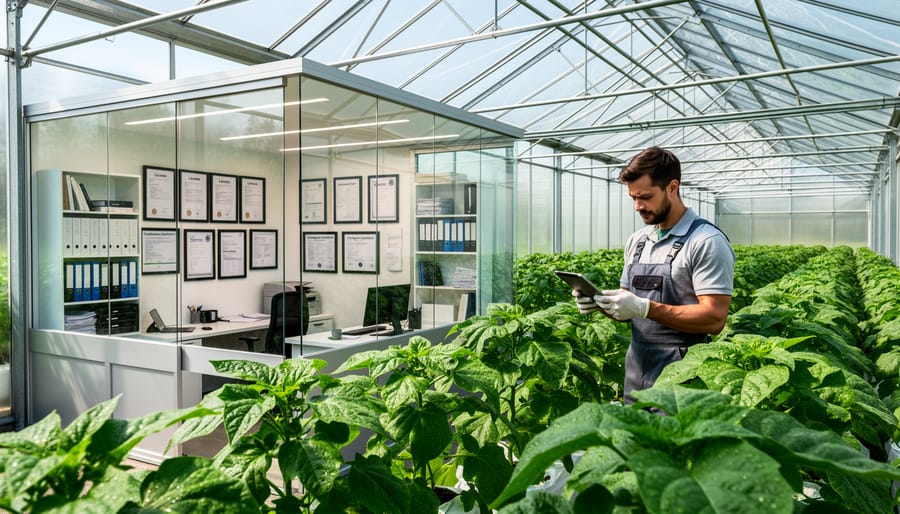
A compliant label does more than look professional. It gives a buyer enough verified information to make a safe choice, and it holds the producer accountable. Requirements vary by jurisdiction, but most regulated markets expect a familiar set of details, and teams building a program around compliance standards usually start with this checklist.
- Cannabinoid content, such as THC and CBD percentages or milligrams per serving.
- A batch or lot number that traces the product back to its source.
- Testing information, including the lab name and a way to view the results.
- Required warnings, such as keeping the product away from children and pets.
- Serving size and total package potency for edibles.
- Packaging and expiration dates where the rules call for them.
The strain name fits into this picture as a descriptor, not a guarantee. A name like Zkittlez can appear on the package, but it must not mislead. It can’t imply health benefits, and it shouldn’t suggest a potency the lab results don’t support.
Testing typically screens for contaminants such as pesticides, heavy metals, residual solvents, mold, and microbial growth. A passing result is what makes the label’s claims trustworthy, which is why the lab data matters more than the name.
Your Rights and Obligations as a Consumer, Business, or Employer
Each group in the cannabis chain carries its own rights and duties, and the two work as a pair. A consumer’s right to a safe product only holds because businesses meet their obligations.
Consumers are entitled to products that are accurately labeled and tested, with potency and batch details they can trust. In return, they’re responsible for following age limits, possession caps, and local rules on where consumption is allowed. That duty extends to the home: edibles look like ordinary candy or baked goods, so they belong in a locked or high cabinet, away from children and pets. If you’re moving up to high potency products or making your own at home, learn about safe dosing first.
Businesses must market honestly, which means no misleading health claims and no implying that a strain name guarantees a specific effect. They also need solid record-keeping, from batch numbers to test results, and a recall plan they can actually carry out.
Here’s why that matters. A well-known pattern in regulated markets is the product whose label overstates potency, or one that fails a later contaminant screen after it has already reached shelves. When records are thorough, a business can trace the batch and pull it quickly. When they aren’t, the problem spreads, and consumers bear the risk.
Employers and institutions have a role too. Clear, written workplace policies on impairment, safety-sensitive roles, and testing help everyone know where they stand. Because laws differ by region, check your local requirements before setting those policies.
Where to Get Help and Keep Learning
Once you know that a “Z” strain name is only a marketing label, the next step is knowing who can actually answer your questions. The right helper depends on what you need, and most people use more than one.
- Your state or national cannabis regulator can confirm current rules on licensing, labeling, testing, and possession limits.
- Licensing agencies explain application steps, fees, zoning, and background check requirements for businesses.
- Small business development centers offer free or low-cost coaching on business plans, budgeting, and compliance planning.
- Legal aid organizations can help social equity applicants understand program eligibility and paperwork.
- Poison control lines give immediate guidance if a child, pet, or adult accidentally eats an edible, so keep the number saved.
- Training providers teach responsible sales, product knowledge, and safe handling for staff and consumers alike.
Official sources should always have the last word on rules, since requirements vary by location. Educational resources fill in the rest. If you’re weighing training options, our guide to cannabis certification programs explains how online courses work and what they can realistically offer.
For hands-on learning, start with a refresher on edibles dosing and recipes, since slow onset and uneven potency cause many accidental overconsumption cases. If you’re curious about non-intoxicating options, read up on CBD products and how they differ from THC-heavy strains. And if the bigger picture interests you, look into the cannabis industry’s economic and social justice impact to see how licensing rules, equity programs, and local economies connect.
Keep notes on the agencies and courses you use. Rules and programs change, and a trusted source today saves you time and risk later.
Common Questions About Z Strains and Cannabis Regulation
Is “Z” an official strain category?
No. “Z” is an informal label that growers and brands use for cultivars like Zkittlez or other Z-series varieties. Regulators license products and producers, not strain names.
Does a strain name guarantee specific effects?
It doesn’t. Two products sold under the same name can differ in cannabinoid and terpene content, and people respond differently to the same product. The effects of cannabis can also touch things like effects on memory which is another reason to rely on measured data instead of a name.
Can I trust the name on the label?
Treat it as a starting point, not proof. Strain names aren’t standardized or legally protected in most places, so check the batch number, lab results, and licensed source instead.
Do the rules differ for edibles versus flower?
Often, yes. Edibles typically carry serving-size, dosing, and child-resistant packaging requirements that flower doesn’t, though the specifics vary by jurisdiction.
Checking lab results is usually simple. Compliant products carry a batch or lot number, and many licensed producers link that number to a certificate of analysis through a QR code or their website. That document lists cannabinoid percentages, terpene data where tested, and contaminant screens. If a product has no batch number or no accessible results, that’s a red flag worth taking seriously, and you can confirm the rules in your area with your local regulator.
A “Z” strain name tells you about branding, not about the law. Zkittlez and its many cousins are marketing labels, and they only mean something once you pair them with a licensed source, a lab report, and an honest label. That’s where the real protections live, whether you’re buying, selling, or setting workplace policy.
Those rules also reach well beyond the shelf. Testing standards shape public health, equity programs shape who gets a seat at the table, and licensed businesses shape local economies. A single compliant batch, correctly labeled, is a small piece of that larger picture.
So take a few minutes to check your local requirements with official sources, since they vary widely and change over time. Then keep learning through our education resources and related guides. Informed consumers and operators make this industry safer and fairer for everyone.