
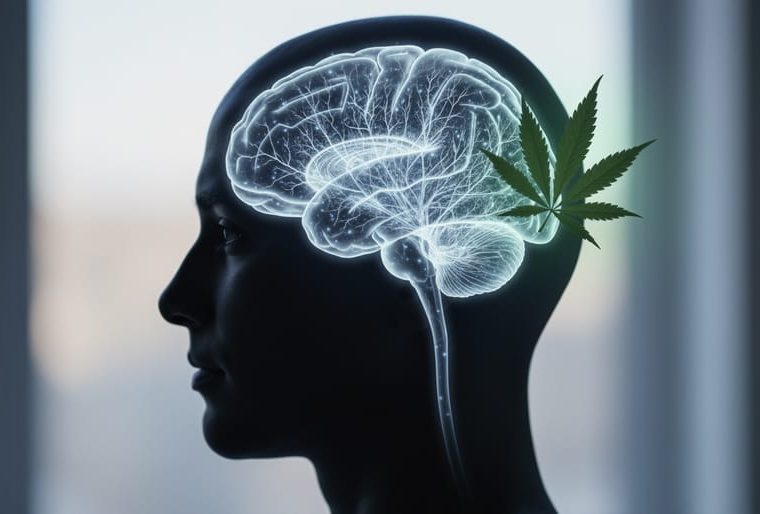
The effects of cannabis on memory refer to the alterations in how the brain encodes, stores, and retrieves information following marijuana consumption, primarily caused by THC’s interaction with cannabinoid receptors in the hippocampus and prefrontal cortex. These effects range from temporary difficulty forming new memories during intoxication to potential longer-term impacts on memory function, particularly among heavy users and adolescents.
Understanding these cognitive impacts matters now more than ever. As cannabis legalization expands across North America in 2026 and medical marijuana programs serve millions of patients, consumers deserve clear, evidence-based information about how their choices affect brain function. Whether you’re a medical patient weighing symptom relief against cognitive side effects, a recreational user curious about harm reduction, or a parent concerned about adolescent use, the science reveals nuanced patterns that go beyond simplistic “cannabis harms memory” narratives.
The memory story isn’t one-size-fits-all. A person taking a single dose experiences different effects than someone consuming daily for years. Age at first use, THC concentration, frequency of consumption, and individual genetic factors all shape outcomes. Recent research has clarified which memory systems face the greatest vulnerability, identified populations at heightened risk, and documented recovery trajectories following cessation.
This article breaks down the mechanisms behind cannabis-related memory changes, distinguishes between acute intoxication effects and chronic use patterns, examines who faces the greatest risk, and provides practical guidance for minimizing cognitive impact. The goal is straightforward: equip you with the knowledge to make informed decisions grounded in current neuroscience rather than outdated assumptions or unverified claims.
What Cannabis Does to Your Memory
When we talk about cannabis affecting memory, we’re describing how compounds in the plant, primarily THC, temporarily disrupt the brain’s ability to form, store, and retrieve information. This isn’t about forgetting your childhood or losing your sense of identity. Instead, it’s about subtle (and sometimes not-so-subtle) shifts in how your brain processes what’s happening right now and transfers those experiences into lasting memories.
Your brain manages several types of memory simultaneously, and cannabis doesn’t affect them all equally. Understanding these distinctions helps explain why you might struggle to follow a conversation while high but still remember your friend’s birthday from last year.
- Working Memory
- The mental workspace that holds information temporarily while you’re actively using it, like remembering the beginning of a sentence while you’re still reading the end. Cannabis most consistently impairs this type of memory.
- Episodic Memory
- Your personal experiences and events, like what you ate for breakfast or that concert you attended last month. Cannabis can interfere with forming new episodic memories during intoxication.
- Memory Consolidation
- The process of transferring information from temporary storage into long-term memory, which happens largely during sleep. THC disrupts this critical transfer process.
- Memory Retrieval
- Accessing information you’ve already stored, like recalling your address or a learned skill. Cannabis affects this less than memory formation, though it can slow retrieval speed.
The core issue is that cannabis compounds bind to receptors in brain regions responsible for memory processing, particularly the hippocampus and prefrontal cortex. When THC activates these receptors, it essentially creates static in the system. You’re still experiencing the world around you, but your brain struggles to encode those experiences properly or pull them back up when needed.
This explains the classic “Where did I put my keys?” moment after consuming cannabis, or why you might lose track of a story you’re telling mid-sentence. Your long-term memories, your childhood home, how to ride a bike, your mother’s face, remain intact. What falters is the real-time processing: absorbing new information, holding multiple pieces of data in mind at once, and cementing fresh experiences into permanent storage.
How Cannabis Affects Memory Function

The Endocannabinoid System and Memory Processing
Your brain’s endocannabinoid system acts as a natural regulatory network that constantly fine-tunes how memories form and stick. Two types of receptors, CB1 and CB2, sit in key memory centers, though they play dramatically different roles.
CB1 receptors cluster densely in the hippocampus, the brain region that converts experiences into lasting memories, and in the prefrontal cortex, which handles working memory and decision-making. These receptors work like volume controls on memory formation. Your body produces natural cannabinoids (endocannabinoids like anandamide) that bind to CB1 receptors to prevent information overload, essentially helping you forget trivial details so important memories stand out. This forgetting mechanism is actually protective. Without it, your brain would struggle under the weight of remembering every mundane moment.
When THC from cannabis binds to these same CB1 receptors, it amplifies this dampening effect far beyond normal levels. The hippocampus struggles to encode new information into short-term memory, which is why someone who just consumed cannabis might lose track of a conversation mid-sentence or forget why they walked into a room.
CB2 receptors tell a different story. Found primarily on immune cells in the brain rather than neurons themselves, they influence memory indirectly through inflammation control. While CB2 activation doesn’t directly impair memory encoding like CB1 does, emerging research suggests these receptors may protect memory function by reducing harmful brain inflammation associated with chronic stress or neurodegenerative conditions.
The balance matters: occasional cannabis use temporarily disrupts this system, while chronic exposure may cause CB1 receptors to downregulate, potentially blunting both the high and some cognitive effects over time.
THC vs. CBD: Different Impacts on Cognition
THC and CBD, the two most abundant cannabinoids in cannabis, affect memory and cognition in dramatically different ways, a distinction that matters enormously when choosing products or managing dosage.
THC directly binds to CB1 receptors concentrated in the hippocampus and prefrontal cortex, the brain’s memory control centers. This binding disrupts the normal signaling patterns neurons use to encode new information and maintain focus. The result? Working memory takes a hit. Users struggle to hold details in mind long enough to complete tasks, forgetting what someone just said mid-conversation, losing track of thoughts, or missing turns while driving. Higher THC concentrations intensify these effects. A 20mg edible with 15% THC will impair working memory more severely than a 5mg dose, and the impairment lasts longer because edibles metabolize slowly.
CBD works differently. It doesn’t strongly bind CB1 receptors; instead, it modulates the endocannabinoid system indirectly, potentially offsetting some of THC’s disruptive effects. Research suggests CBD may protect neurons from excessive stimulation and reduce anxiety that can independently harm memory. Some studies show CBD alone has neutral or even slightly beneficial effects on cognition, though the evidence isn’t conclusive enough to call it a cognitive enhancer.
Here’s why this matters: products with balanced THC-to-CBD ratios (like 1:1 or 2:1 formulations) often produce less memory impairment than THC-dominant options. Medical patients frequently prefer these ratios to manage symptoms without severe cognitive trade-offs. Recreational users concerned about memory effects should check product labels and consider lower-THC or higher-CBD alternatives, especially for daytime use or activities requiring sustained attention.
Different Types of Memory Effects from Cannabis
Acute (Immediate) Effects During Intoxication
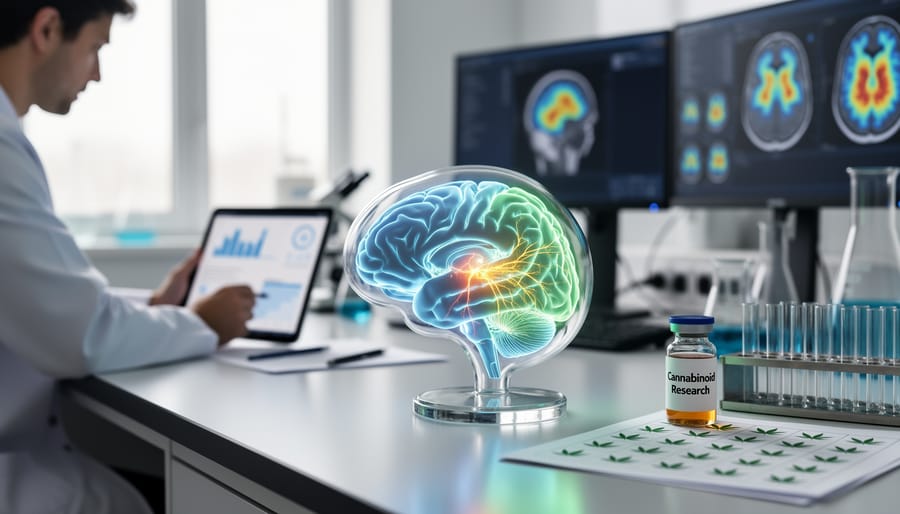
When you consume cannabis, the most noticeable memory changes happen while you’re actively intoxicated. Your working memory, the mental scratchpad that holds information you’re using right now, takes the biggest hit. You might forget what someone just said mid-conversation, lose your train of thought halfway through a sentence, or walk into a room and completely blank on why you went there.
This happens because THC floods the CB1 receptors in your hippocampus and prefrontal cortex, disrupting the electrical patterns your brain uses to hold and manipulate information. Think of it like static interfering with a radio signal. The information is there, but your brain struggles to keep it clear and accessible.
Your attention span shrinks too. Focusing on complex tasks becomes harder, and you’re more easily distracted. Reading a technical document or following multi-step instructions feels like wading through mud. This isn’t permanent damage, it’s temporary interference with how your neurons communicate.
Forming new memories gets tricky as well. You might have trouble recalling specific details of what happened during intoxication, though you’ll remember the general experience. The brain still encodes some information, but less efficiently. These effects peak within the first two hours after smoking or vaping, though edibles create a slower onset with effects that can intensify over time and last considerably longer.
Residual Effects After Use
Cannabis doesn’t stop affecting your memory the moment you stop feeling high. Residual effects, the cognitive impacts that linger after intoxication fades, matter especially if you use cannabis regularly or consume edibles with their extended duration.
Research shows working memory and attention can remain impaired for 24 to 48 hours after use in frequent consumers, even when subjective intoxication has completely worn off. You might feel sober yet still struggle with tasks requiring focus or quick recall. Heavy users sometimes experience subtle memory deficits for several days following their last dose, though these effects typically reverse with abstinence.
Edibles create unique residual challenges. Because they metabolize slowly and produce effects lasting six to eight hours, the tail end of an edible experience overlaps with the next day for evening consumers. Someone eating a cannabis edible at 8 PM may still have measurable cognitive impairment at work the following morning, despite feeling fine.
The good news: most studies find these residual effects diminish significantly within three to four weeks of stopping use. Occasional consumers typically see faster recovery than daily users. Younger adults also tend to bounce back more quickly than adolescents, whose developing brains may retain subtle changes longer.
Long-Term and Chronic Use Effects
Studies on chronic cannabis users reveal a complex picture of memory adaptation and potential long-term changes. Regular users often show modest impairments in verbal learning and memory tasks compared to non-users, though the magnitude varies considerably between individuals.
Neuroimaging research has detected subtle structural differences in frequent users, particularly reduced hippocampal volume in some studies. However, these findings aren’t universal, and researchers debate whether observed changes represent damage, adaptation, or pre-existing differences that predispose people to cannabis use.
The adaptation question matters practically. Some long-term users develop tolerance to acute memory effects, performing better on cognitive tasks while intoxicated than occasional users do. Yet this tolerance doesn’t necessarily mean their baseline memory function remains unaffected when sober.
Reversibility remains the most encouraging finding. Multiple studies show that memory performance improves significantly after sustained abstinence, with measurable recovery beginning within weeks and continuing for months. Young adult users typically demonstrate better recovery than those who started in adolescence, suggesting the developing brain faces greater risk.
Individual factors like genetics, overall health, consumption patterns, and THC potency influence outcomes substantially. A person using moderate-dose edibles twice weekly likely faces different risks than someone smoking high-potency concentrates daily.
Who Is Most Affected and How Cannabis Is Used
Age and Developmental Considerations
The developing brain remains uniquely vulnerable to cannabis’s memory impacts through approximately age 25, when the prefrontal cortex and hippocampus fully mature. During adolescence and young adulthood, these regions undergo critical refinement processes that establish adult cognitive capacity.
Research consistently shows adolescent users experience more pronounced memory deficits than adults who begin using later. The still-forming neural connections appear particularly susceptible to THC’s disruption of memory consolidation pathways. Studies tracking adolescent-onset users have documented measurable differences in verbal memory, attention span, and learning efficiency that can persist even after extended abstinence.
This heightened vulnerability carries real consequences. Students who use cannabis regularly often report difficulty retaining lecture material, organizing complex information, and performing well on exams requiring recall. The effects compound over time with chronic use during these formative years.
For educators and policymakers, this evidence suggests prevention efforts should emphasize age-specific risks rather than blanket prohibition messaging. Parents benefit from understanding that experimentation during peak brain development creates different risks than adult recreational use. The science supports delaying first use as long as possible, with clear evidence that starting after age 21 substantially reduces long-term cognitive impact.
Edibles and Memory: Unique Considerations

Edibles present a unique memory challenge because of how your body processes them. When you eat cannabis, THC passes through your digestive system and liver before reaching your brain, a journey that takes anywhere from 30 minutes to two hours. During this delay, you’re forming memories normally, unaware that impairment is coming. Once effects begin, they can last six to eight hours, sometimes longer, creating an extended window where memory encoding struggles.
This delayed onset creates what researchers call a “memory disconnect.” You might clearly remember eating the edible and the first hour afterward, but have fragmented or missing memories of the peak experience hours later. Because edibles produce more 11-hydroxy-THC (a potent THC metabolite) than smoking does, the memory impairment during peak effects tends to be more pronounced.
The extended duration also means your memory function remains compromised well into activities you wouldn’t associate with being high. Users report “losing track of time” more with edibles than with inhaled cannabis, not just a subjective feeling, but an actual inability to accurately encode when events occurred. For medical users who need consistent dosing without smoking, starting with low doses (2.5-5mg THC) and keeping a written log helps compensate for these memory gaps until you understand your response pattern.
Medical Users and Therapeutic Context
Medical cannabis patients face a unique calculus when weighing symptom relief against cognitive side effects. For someone managing chronic pain, nausea from chemotherapy, or severe anxiety, memory lapses during treatment may represent an acceptable trade-off compared to debilitating symptoms that prevent normal functioning altogether.
Research shows many medical users develop tolerance to memory-impairing effects over time, particularly when using consistent dosing schedules. A patient taking CBD-dominant formulations for seizure control, for instance, typically experiences minimal cognitive impact while gaining substantial therapeutic benefit. Conversely, someone using high-THC products for pain relief might notice working memory difficulties initially but find these diminish with regular use.
Dosing strategy matters considerably. Medical patients who microdose throughout the day often report better cognitive function than those taking larger single doses. Evening-only protocols allow some users to maintain daytime mental clarity while still managing symptoms that interfere with sleep.
Physicians increasingly recommend starting with lower THC ratios and adjusting based on individual response. One multiple sclerosis patient might function well on a 1:1 THC:CBD formulation, while another finds 1:3 ratios necessary to preserve memory while controlling spasticity. This personalization reflects medicine’s shift toward treating cannabis as a nuanced therapeutic tool rather than a one-size-fits-all intervention.
What the Latest Research Shows

As of 2026, the scientific understanding of cannabis’s effects on memory has become more nuanced, though researchers acknowledge significant gaps remain. Recent longitudinal studies suggest that many cognitive effects in adults are largely reversible after sustained abstinence, with most working memory function returning to baseline within three to four weeks of cessation. This finding has shifted the conversation from permanent damage to temporary impairment for most adult users, though the picture differs for adolescent use.
The distinction between occasional and chronic use has sharpened considerably. Neuroimaging studies now show that weekly or less frequent use produces minimal detectable changes in hippocampal structure or memory performance in healthy adults, while daily use, particularly of high-THC products, correlates with measurable alterations in neural connectivity patterns. What’s striking is how quickly these patterns can normalize: one 2025 study tracking former daily users found that hippocampal blood flow returned to control levels within twelve weeks of stopping.
Current research has identified several key findings that help clarify the complex relationship between cannabis and memory:
- Most memory impairments reverse within 3-4 weeks of abstinence in adult users, with cognitive recovery continuing for up to 3 months
- Occasional users (weekly or less) show minimal long-term memory effects compared to non-users when controlling for other variables
- Higher CBD ratios may offer partial protection against THC-induced memory disruption, though mechanisms remain under investigation
- Individual genetic variations in endocannabinoid system function explain why some people experience pronounced memory effects while others notice little impact
- Age at initiation matters more than total lifetime exposure: adolescent-onset use shows stronger associations with memory difficulties than adult-onset use
The adolescent brain remains a primary concern. Research continues to demonstrate that regular cannabis use during crucial developmental windows, roughly ages 12 to 25, correlates with more persistent memory difficulties, even after prolonged abstinence. Whether this represents permanent structural changes or slower recovery timelines is still debated.
What remains frustratingly unclear is the dose-response relationship. Researchers still can’t pinpoint exactly how much THC, how often, over what duration, creates clinically meaningful memory problems for different individuals. The explosion of high-potency products has outpaced research capacity, leaving questions about products containing 80-90% THC largely unanswered. Additionally, nearly all existing studies examine smoked or vaporized cannabis, meaning the specific memory profiles of edibles, with their unique pharmacokinetics, remain understudied despite their growing market share.
Practical Implications for Consumers and Professionals
Strategies to Minimize Memory Impairment
Consumers can take concrete steps to reduce cannabis’s impact on memory. Start with timing: avoid cannabis before activities requiring sharp recall or new learning. If consuming edibles, account for their 1-3 hour onset and plan accordingly, using them before bed rather than before work meetings or study sessions minimizes interference with daily cognitive demands.
Dosage matters significantly. Begin with the lowest effective dose, particularly with edibles where overconsumption is common. THC levels above 10mg per serving increase memory disruption; sticking to 2.5-5mg doses for recreational users reduces risk while maintaining desired effects. Regular users should consider tolerance breaks, even a few days off monthly can help reset cannabinoid receptor sensitivity and improve baseline memory function.
Strain and cannabinoid profile selection offers another lever. Choose products with balanced THC:CBD ratios (1:1 or higher CBD content) rather than THC-dominant options. CBD appears to buffer some of THC’s memory-impairing effects without eliminating therapeutic or recreational benefits.
Lifestyle factors provide additional protection. Stay hydrated, maintain good sleep hygiene, and engage in regular physical exercise, all independently support memory function and may counteract cannabis-related deficits. Mental exercises like puzzles, reading, or learning new skills help maintain cognitive reserve.
For businesses implementing a staff training framework, educate budtenders to share these harm-reduction strategies with customers, positioning responsible use as part of quality service.
Professional and Business Considerations
Cannabis industry professionals face unique responsibilities around memory impairment. Product developers should include clear onset and duration information on edible packaging, helping consumers plan usage around activities requiring cognitive clarity. Dosage guidance matters: products marketed to newcomers need conservative THC levels and explicit warnings about memory effects during intoxication.
Retailers and budtenders need robust cannabis compliance training that covers how to discuss memory impacts honestly without deterring legitimate customers. Staff should know which products pose greater cognitive risks and when to recommend lower-THC or CBD-dominant alternatives for users concerned about mental clarity.
Employers developing workplace policy must balance legal cannabis use rights with safety concerns. Rather than blanket prohibitions, effective policies specify impairment standards for safety-sensitive roles and establish clear testing protocols. Educating employees about residual effects helps them make responsible choices about timing consumption relative to work schedules.
Policymakers should require standardized testing and labeling that reflects current research on memory effects. Public education campaigns need nuance: acknowledge real risks for adolescents and heavy users while avoiding scare tactics that ignore millions of functional adult consumers.
Industry educators can pursue online cannabis certification programs that include neuroscience modules, ensuring they provide evidence-based information rather than outdated myths about permanent brain damage.
Common Questions About Cannabis and Memory
Understanding the relationship between cannabis and memory often involves separating fact from myth. Many concerns about cannabis use stem from incomplete information or misunderstandings about how different cannabinoids work in the brain. Accurate cannabis education helps consumers make informed decisions based on current evidence rather than outdated assumptions.
Does cannabis cause permanent memory loss?
Research suggests that memory impairments are typically reversible once use stops, particularly in adults who began using after brain development completed. However, adolescent users who consume heavily may experience more persistent effects, and long-term studies continue to explore this question.
Can CBD improve memory?
CBD does not impair memory the way THC does and may actually protect against some of THC’s cognitive effects, but current evidence does not support claims that CBD actively improves memory function in healthy individuals.
How long do memory effects last after consumption?
Acute memory impairment typically resolves within 24 hours for most users, though residual effects can persist for several days in regular users or after high-dose edible consumption. Baseline cognitive function usually returns within weeks of stopping use.
Are edibles worse for memory than smoking?
Edibles produce longer-lasting effects due to metabolism through the liver, which means memory impairment can extend for six to eight hours compared to two to four hours from inhalation. The intensity of effects depends more on total THC dose than consumption method.
These questions reflect common concerns among both new and experienced users. Individual responses vary based on factors like genetics, usage patterns, and overall brain health. What remains consistent across research is that informed consumption, appropriate dosing, and understanding your own tolerance can help minimize unwanted cognitive effects while allowing you to benefit from cannabis in whatever context you choose to use it.
Cannabis affects memory in measurable ways, but those effects vary widely depending on dose, frequency, product type, individual biology, and context of use. The research paints a nuanced picture: THC can temporarily impair working memory and disrupt how new information gets encoded, while CBD appears to have minimal cognitive impact and may even counteract some of THC’s effects. For most users, acute memory changes resolve as intoxication fades. Long-term effects remain less clear, though heavy adolescent use raises legitimate concerns about lasting cognitive changes.
What matters most is recognizing that cannabis isn’t a single substance with uniform outcomes. A low-dose CBD-dominant edible creates a fundamentally different experience than high-THC flower consumed multiple times daily. Your age, consumption patterns, underlying health conditions, and even genetics influence how cannabis interacts with your memory systems.
If you’re using cannabis recreationally, awareness of timing and dosage helps minimize unwanted cognitive effects. Medical patients face more complex calculations, weighing therapeutic benefits against potential memory trade-offs with their healthcare providers. Industry professionals need this knowledge to create responsible products and accurate educational materials.
The science continues to evolve. Researchers are uncovering more about receptor interactions, exploring CBD’s neuroprotective potential, and clarifying what happens with different consumption methods over various timelines. What we know today will deepen as longitudinal studies mature and measurement techniques improve.
Making informed choices requires understanding both what cannabis does to memory and what we still don’t know. That means staying curious, consulting reliable sources, and recognizing that your experience might differ from someone else’s. Whether you’re a consumer, patient, business owner, or simply cannabis-curious, grounding decisions in evidence rather than assumptions serves everyone better.